
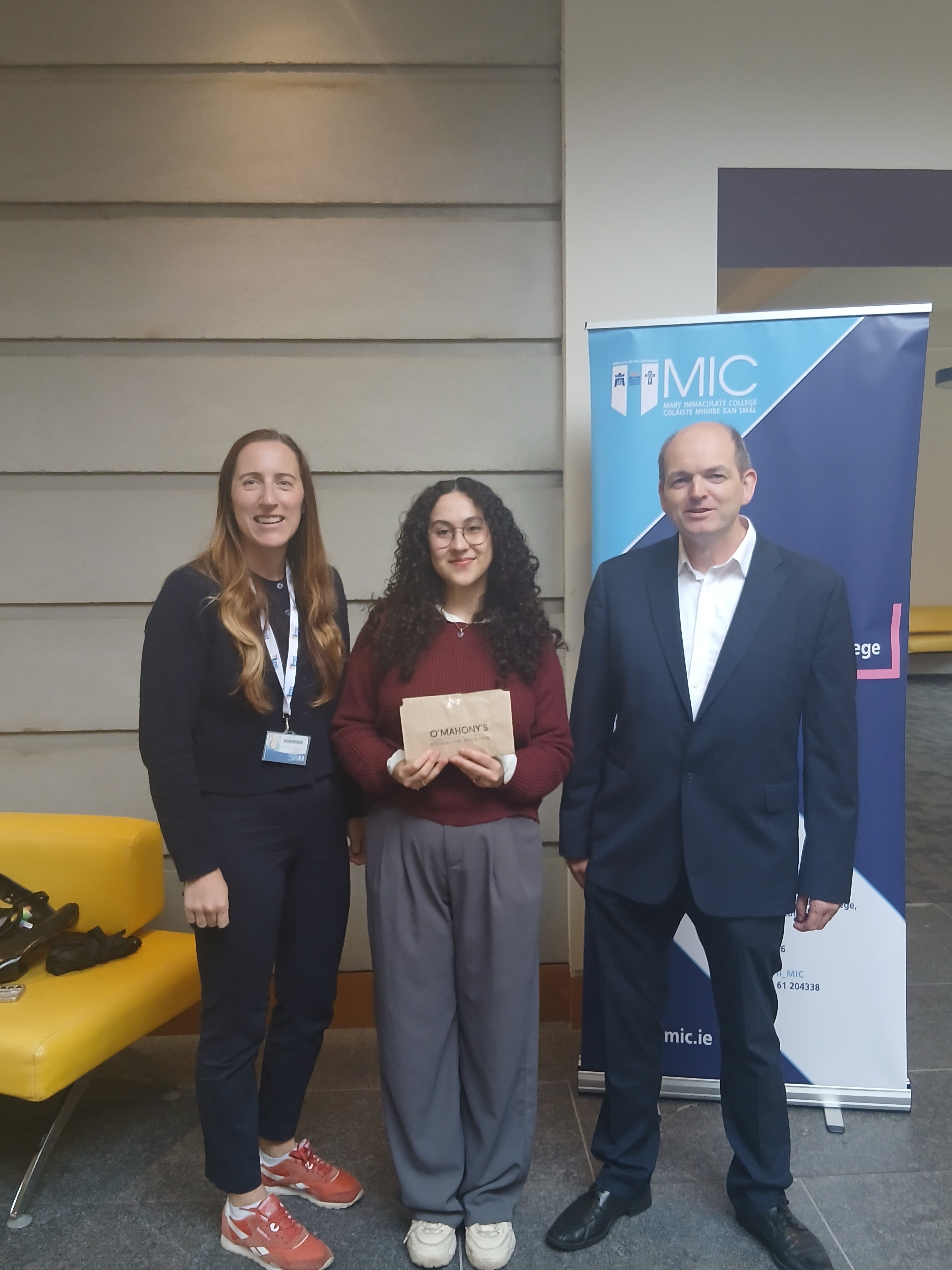
The Women’s History Association of Ireland in conjunction with Mary Immaculate College EDII were delighted to award Julien Santos de Mello with a book token for best conference paper at our recent conference at Mary I.
Julien Santos de Mello is a PhD student based at the University of Limerick. Since completing her history degree and master’s, she has been actively engaged in research on gender studies and the history of medicine. Her previous research focused on women’s practices in oppressive settings, such as witch hunts and anti-Jewish persecutions, in Scotland and France. Julien’s paper was based on her current PhD work, which explores Irish female representations and folk medicine practices in the National Folklore Collection through artificial intelligence and geographic approaches. This study sets out to investigate the ways in which Irish female practitioners were represented in these cultural sources, as well as to comprehend the extent to which their informal roles impacted their local communities.
This was Julien’s first time presenting at conference and her paper was well received by everyone at conference. A massive thank you to Mary I EDII not just for sponsoring the book prize but also for their support across the two days of the conference
Women’s History Network/Women’s History Association of Ireland Book Prize 2025
We were delighted to team up with the Women’s History Network for this WHN Book Prize. Congratulation to Sarah Crook and Samuel Rutherford.
Eva Gore-Booth: Centenary Celebration of a Radical, Rebel and Reformer, 24 & 25 July, Lissadell House, Sligo
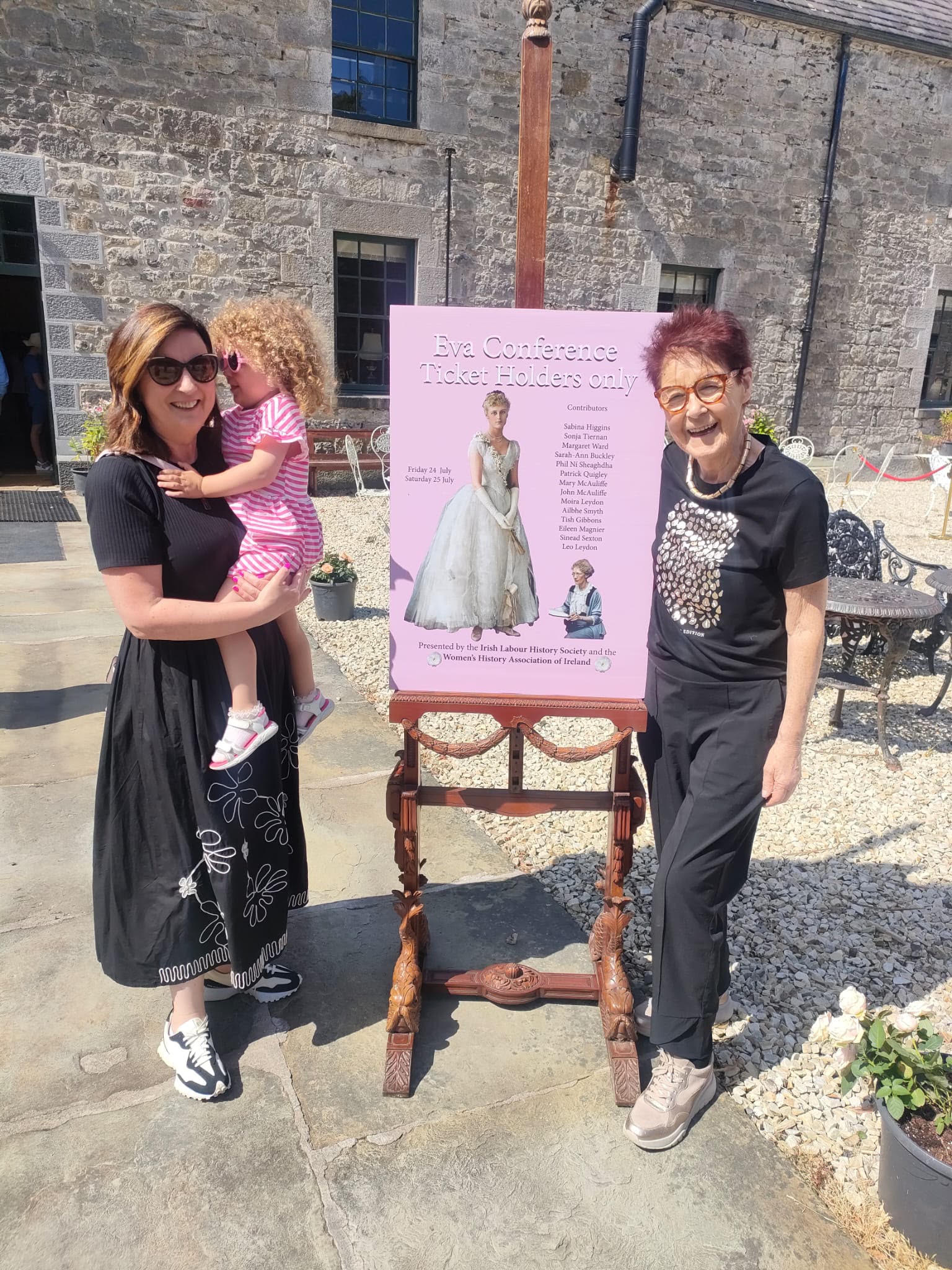

Co-organised with the Irish Labour History Society, the weekend event was a great success with 87 registered attendees and beautiful opening paper given by Sabina Higgins. RTÉ featured a piece about the conference on Nationwide and a feature article on 26 June including mention of the WHAI. The Sligo Champion published a two page article on the event on 29 July, again with mention of the WHAI.

EVA GORE-BOOTH CENTENARY CELEBRATION OF A RADICAL , REBEL AND REFORMER
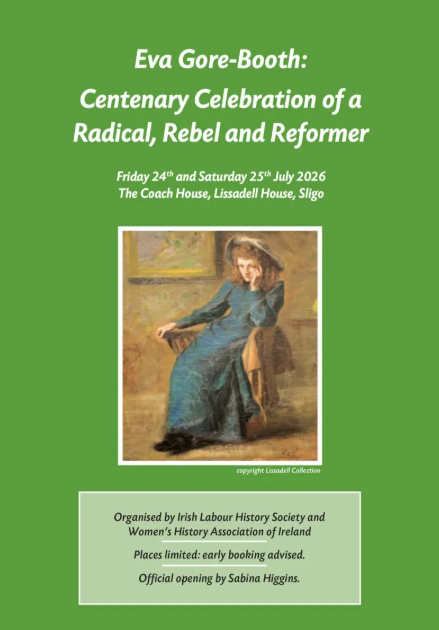
FURTHER INFORMATION AND REGISTRATION DETAILS CAN BE FOUND BY CLICKING THE LINK BELOW
2026 WHAI MacCurtain/Cullen Essay Prize winner
This year we are delighted to announce that Ella Ní Cheallaigh is our essay prize winner.
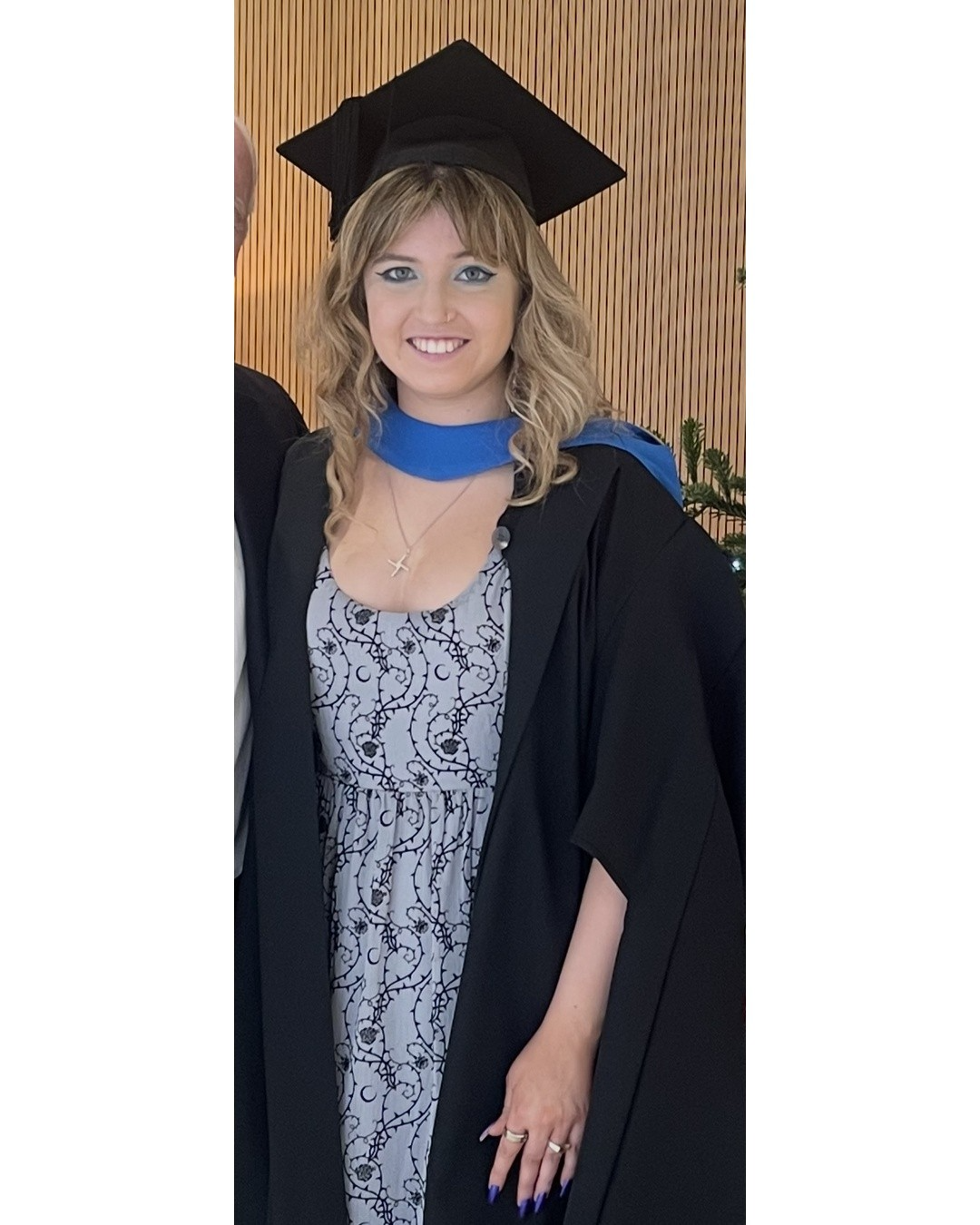
Ella Ní Cheallaigh received an MA in Public History from University College Dublin in 2025, where she completed her thesis, “‘If you’re getting in trouble all the time you know you’re doing something right’: RTÉ’s Women Today, Women Talking and The Women’s Programme.” She graduated from the University of Galway in 2024 with a BA in English and Media Studies. Her research interests include the Irish women’s movement, women’s work in the home, women in media and broadcasting, popular music and culture, and women in rural Ireland. She currently works in St. Nicholas’ Collegiate Church in Galway City.
2026 WHAI CONFERENCE ROUND UP
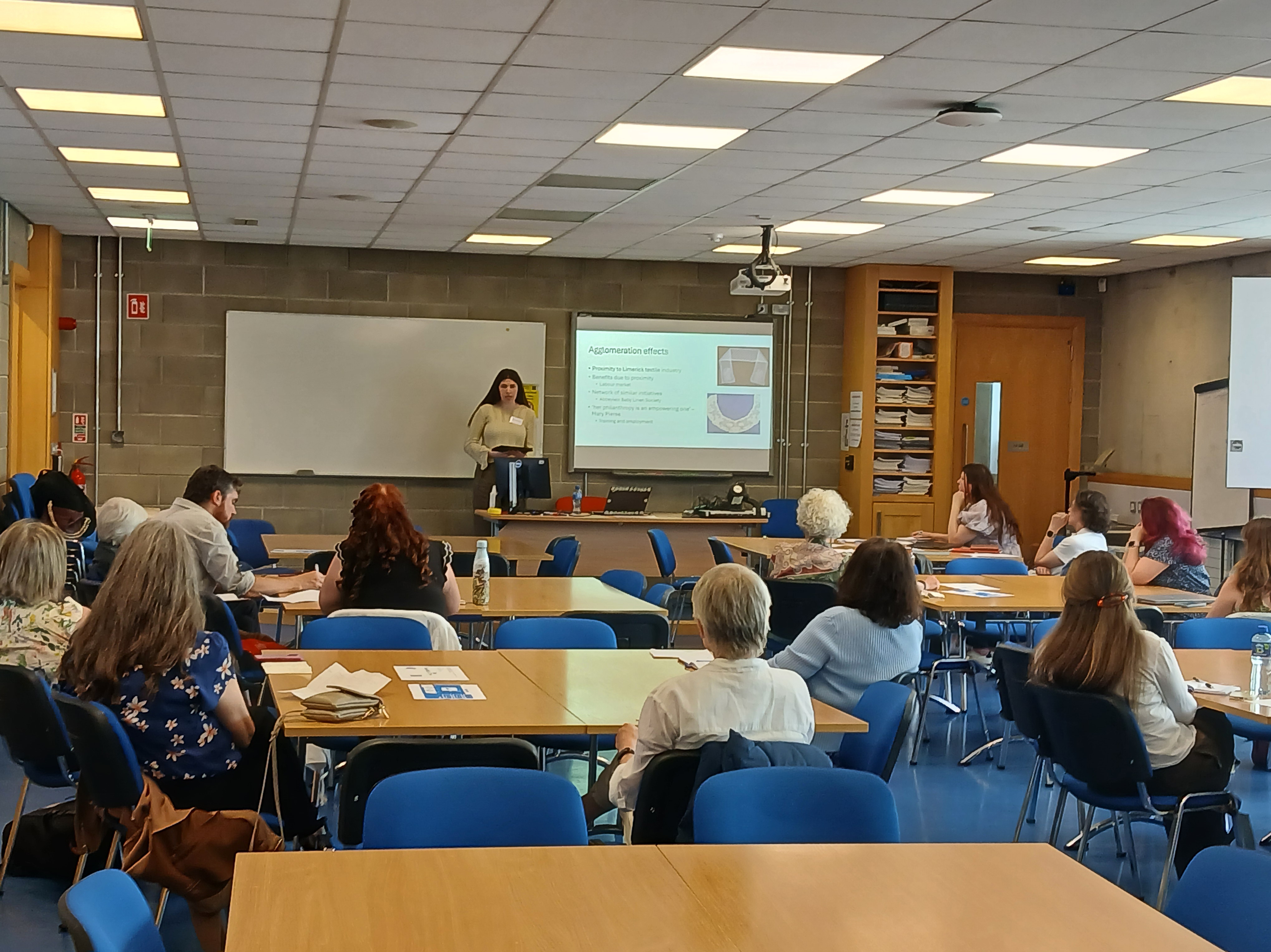
What a fantastic two-day conference we had here at Mary Immaculate College, Limerick. It is so great to see such a wealth of new historical research from established Historians and emerging scholars. We had forty speakers over the two days and we want to thank all of our speakers for attending and making this such a wonderful conference. Thanks also to everyone who chaired a panel at the conference. To Liam Chambers, Head of History at MIC, April in the events office and everybody at MIC who made us feel so welcome over the two days.
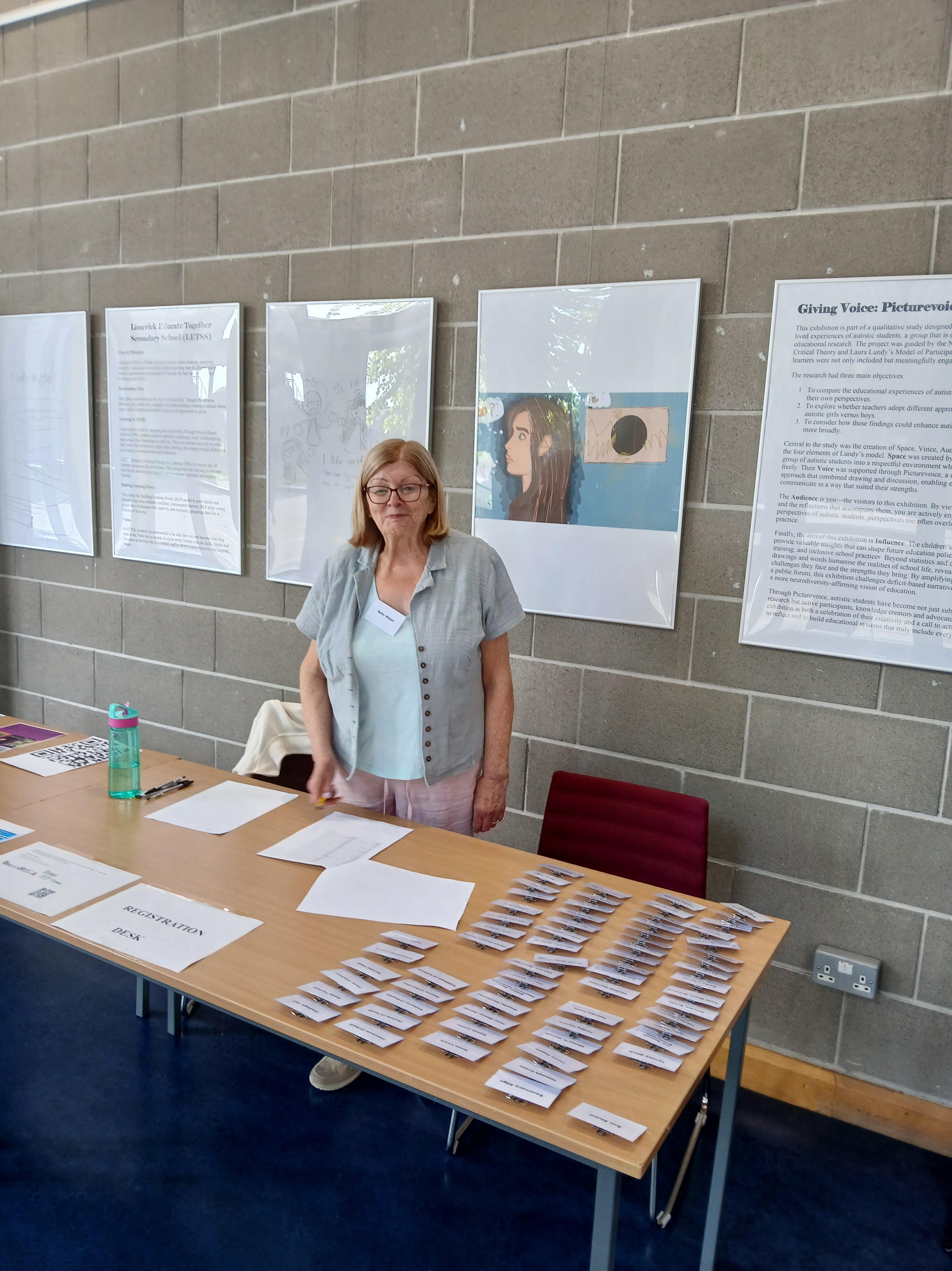
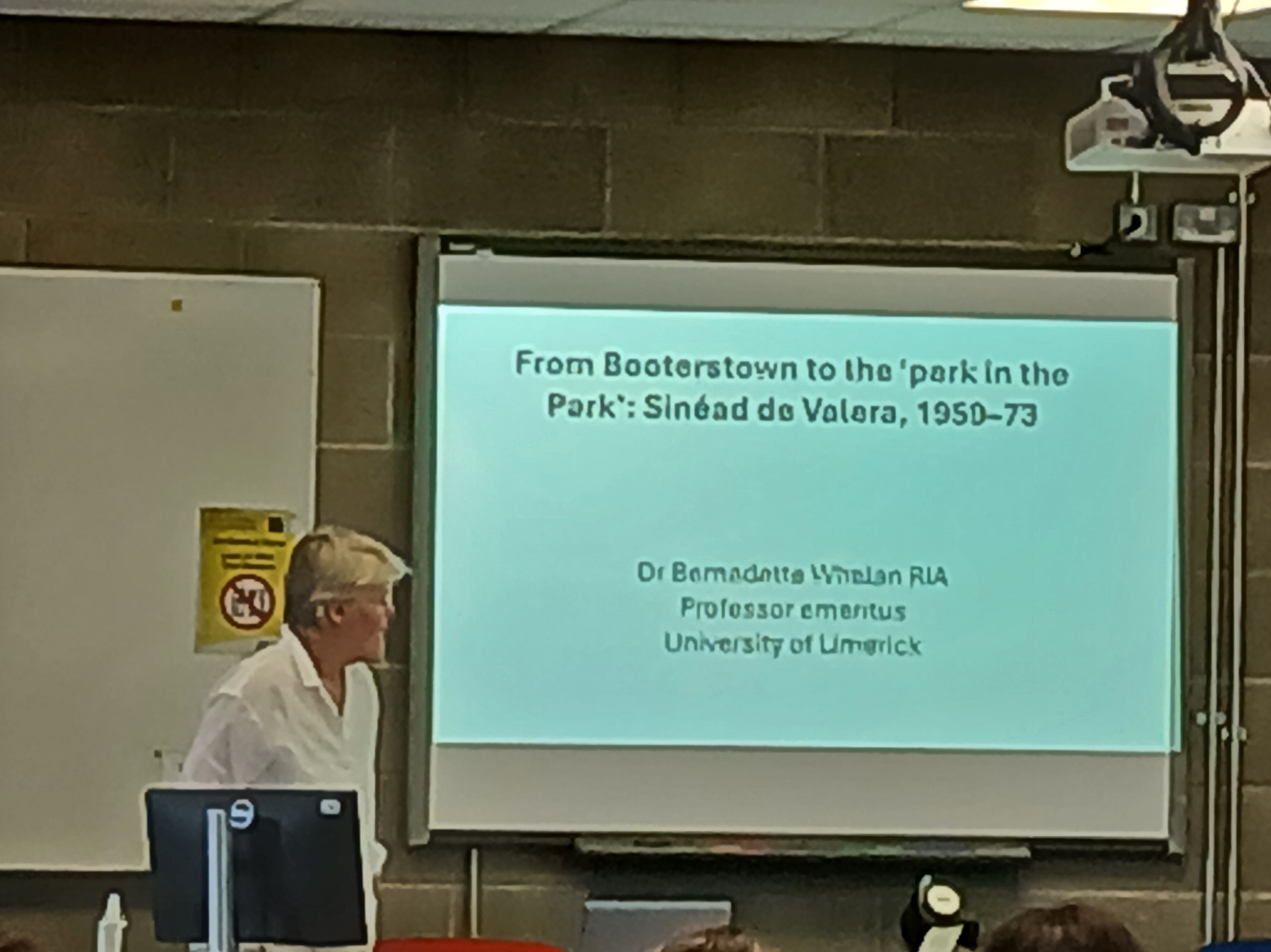
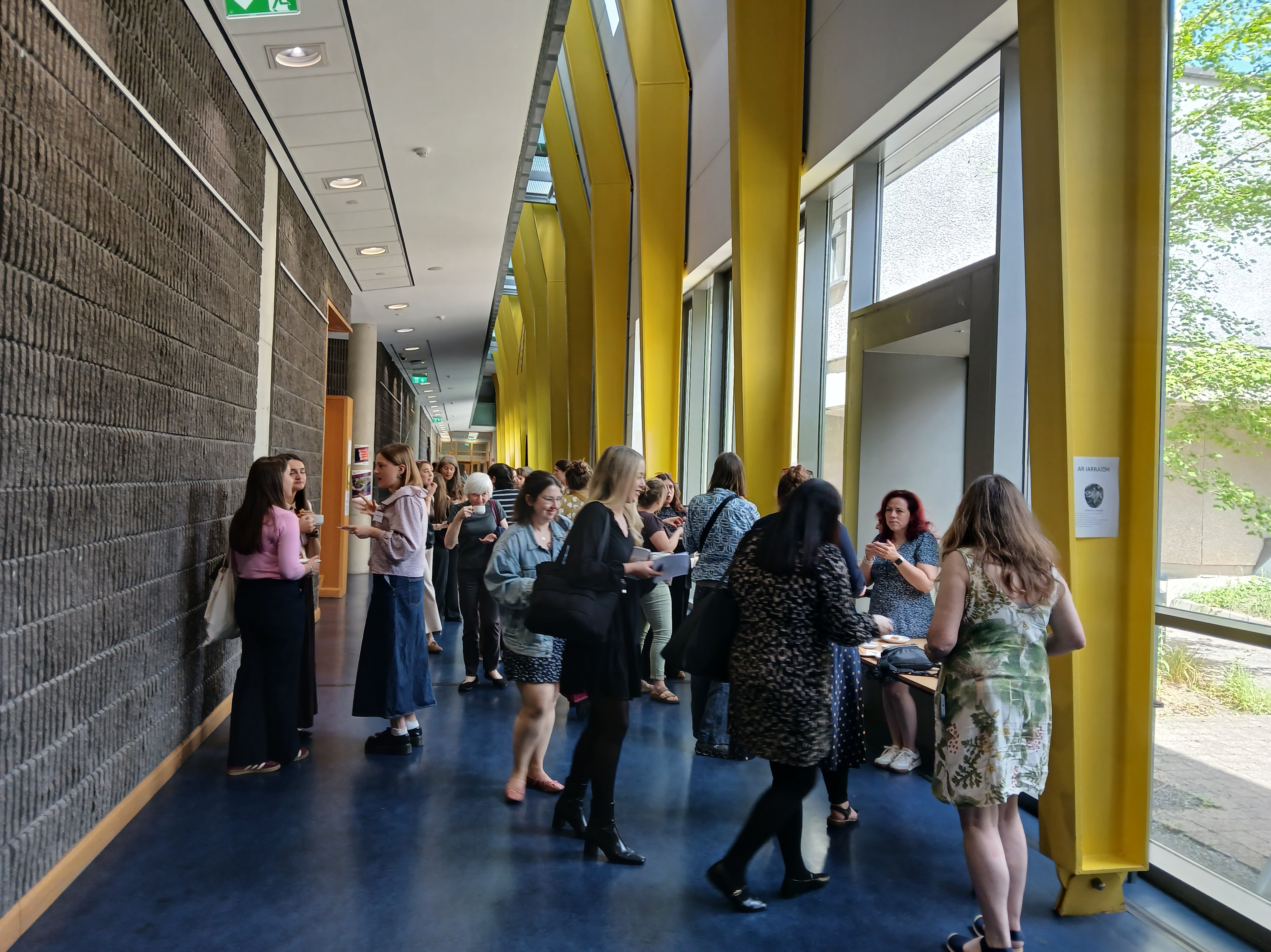
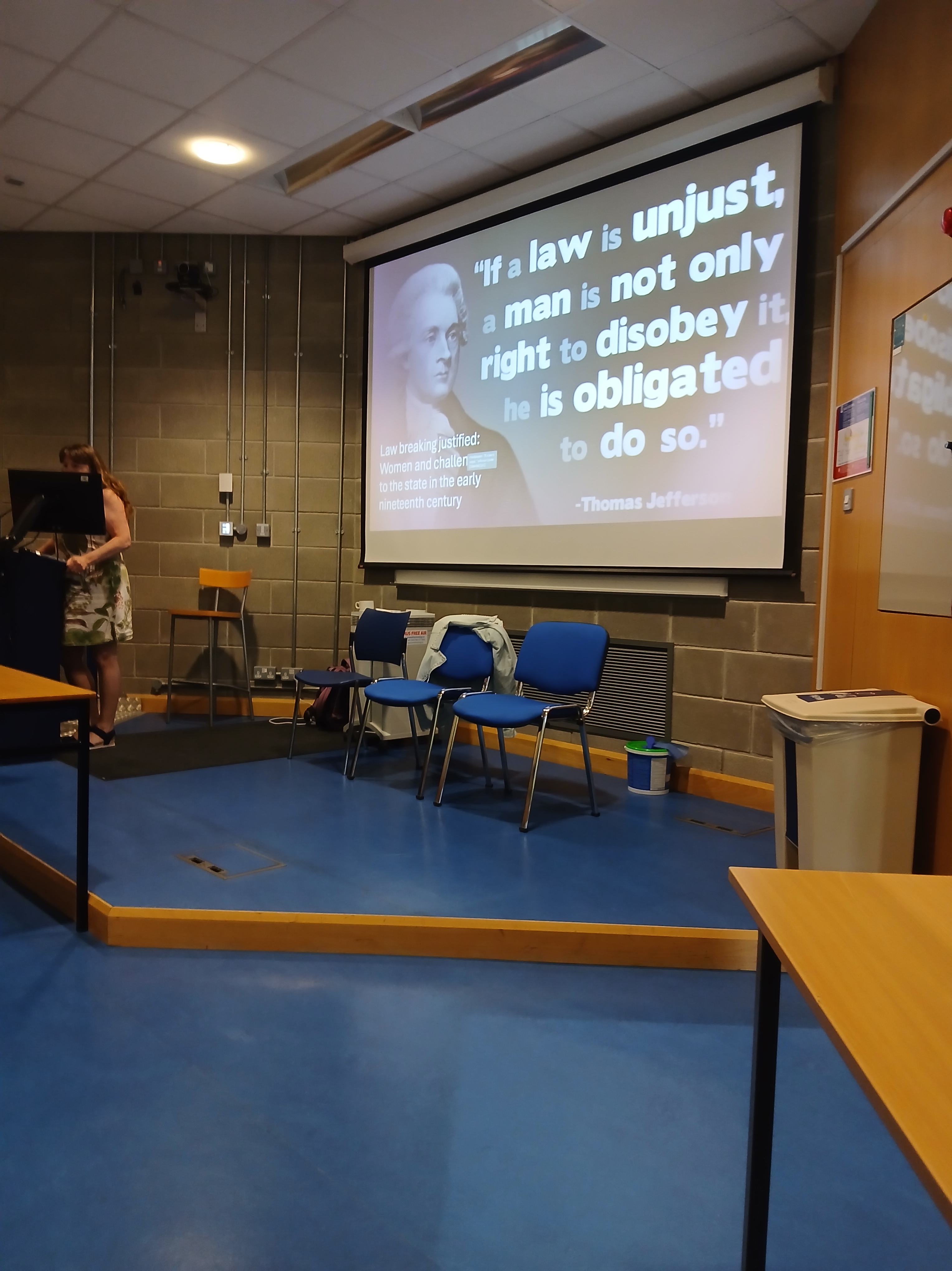
We especially want to thank Prof. Sarah Richardson (University of Glasgow) for her riveting paper ‘law breaking Justified’: women and challenges to the state in early nineteenth century Britain’.
Dr Dympna McLoughlin
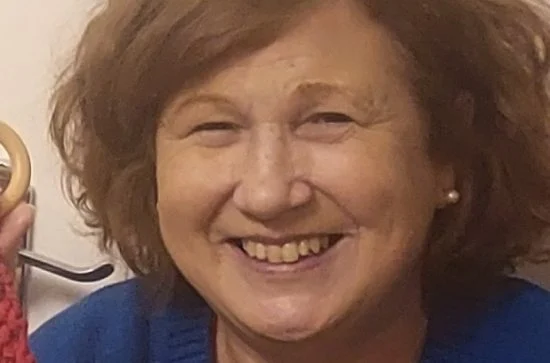
We are saddened to learn of the death of Dr Dympna McLoughlin, of the History Department, Maynooth University. Dympna’s work in women’s history informed many scholarly studies in areas such as poverty and migration, workhouses, women’s treatment under the law, attitudes to sexuality and more.
Dympna was a most valued colleague and a good friend to all who knew her and was a special advocate for access students of all kinds at Maynooth University where she taught for over thirty years. She was due to retire in just a few weeks. She will be missed greatly by her colleagues, and our thoughts are with Dympna’s family and friends at this time.
Ar dheis Dé go raibh a anam.
Women’s History Network/Women’s History Association of Ireland Joint Book Prize
We are delighted to announce that we have teamed up with the Women’s History Network to offer a joint annual book prize which awards £500 for an author’s first single-authored monograph in women’s or gender history. Entries close on 31 July 2026.
Criteria for eligibility are as follows:
- The book must make a significant contribution to women’s history or gender history.
- The book must be written in English.
- The book must have been published in the UK or Ireland between 1 January 2025 and 31 December 2025.
- The book must be the author’s first single-authored monograph. Authors who have written monographs in other subjects or historical disciplines are not eligible.
- The candidate should be a member either of the Women’s History Network (UK) or the Women’s History Association of Ireland or both.
- The candidate should have been resident in the UK or Ireland, or affiliated to a UK or Irish institution, for the previous three years.
- The candidate or publisher must be willing to arrange for four physical copies of the book to be sent directly to the judges.
- The winner should be able to attend the WHN or WHAI Annual Conference to receive their award in 2027. (The WHN/WHAI will cover the cost of UK/Irish rail travel to the Conference venue. There may also be the opportunity to join virtually.)
- The winner will be expected to write a contribution for the WHN and WHAI blog and otherwise engage in promotional activity for the two organisations.
- Current members of the WHN Steering Committee or the WHAI executive are not eligible to enter the competition.
Candidates or publishers should contact bookprize@womenshistorynetwork.org for details of where to send the books, which should be received by the closing date.
WHAI response to the proposal to host a permanent exhibition telling the stories of women in Ireland at a purpose-built property in Limerick, as a regional branch of the National Museum of Ireland
A statement by the Women’s History Association of Ireland (WHAI) on the announcement (24 February 2026) by Minister for Culture, Communications and Sport, Patrick O’Donovan T.D. for a proposal to host a permanent exhibition telling the stories of women in Ireland at a purpose-built property in Limerick, as a regional branch of the National Museum of Ireland
The idea for a permanent exhibition follows the recommendation of the recently published report (October 2025) of the Advisory Committee on Women’s Stories established in March 2024. We acknowledge the dedication and hard work of the committee and the chair in presenting this report after taking on board all the various viewpoints offered.
As a stakeholder group regarding the representation of women’s stories and women’s history within the context of national cultural institutions and national collections, the WHAI has been involved throughout the process led by the Advisory Committee. A member of the WHAI executive serves on the Advisory Committee. WHAI members responded to a survey on this subject and two WHAI representatives presented the survey findings to the Women’s Stories Advisory Committee in April 2024.
Our surveyed members largely felt that the women’s lives, experiences and voices, in all their diversity, have not been documented and recorded so far within our cultural institutions and that the underrepresentation of women’s lives, experiences, and voices had an impact on women’s lives and well-being.
It is significant that a decision has been made at government level to fund and support a museum to ‘enhance women’s stories and voices, in all their diversity’ and offer space for ‘potentially providing for advocacy, research, education and outreach.’ The WHAI will continue to watch this process carefully and stress the importance of our continued engagement with future planning. We also remain supportive of continued efforts to increase the inclusion of women’s stories in other branches of our national museums.
As a national all-island association, promoting research and public engagement on the history of women in Ireland for four decades, the WHAI is an essential stakeholder in any future developments on the foundation of a women’s history museum in Ireland. We represent scholars and professional historians at all stages of their career working on Irish history throughout the ages and can therefore provide advice, guidance and expertise for this important institution.
WHAI AGM AND ANNUAL CHRISTMAS EVENT 6 December 2025
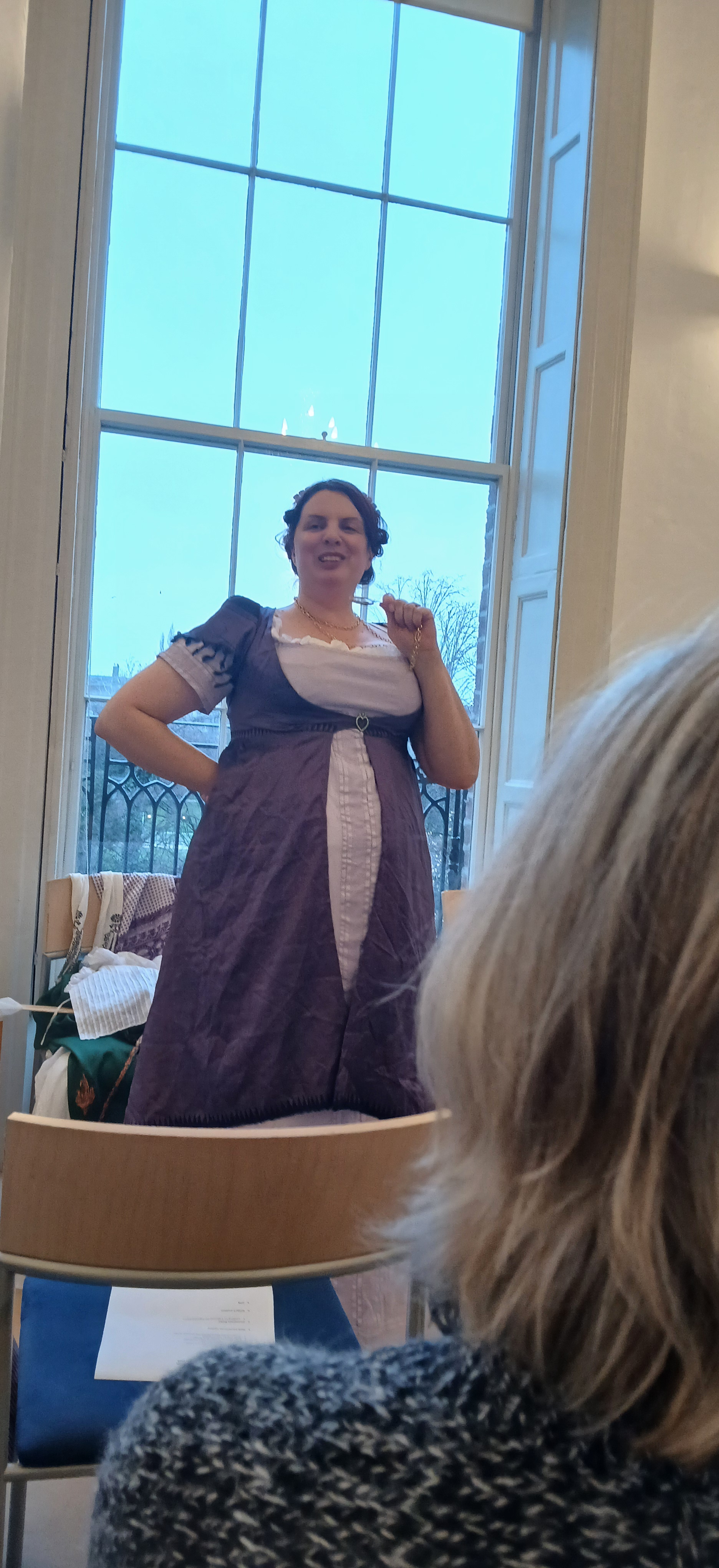
We had a really great catch up yesterday. Thanks again to Dr Melissa Shiel’s for a fascinating talk on how Regency women dressed.
On behalf of the committee and all of the members of the WHAI we would like to thank Diana Urquhart for her support as president of the association over the past five-years. Congratulations too to Sonja Tiernan our new WHAI president.

our new WHAI president.
36th ANNUAL WHAI CONFERENCE MARY IMMACULATE COLLEGE 29-30 MAY 2026
We are delighted this afternoon to announced the CFP for the 36th annual WHAI conference 2026. The conference will be held at Mary I Limerick on 29 & 30 May 2026. Closing dates for submissions on the theme of ‘Gain’ is 31 Jan. 2026.

Please click on link for more details
https://sites.google.com/view/whai2026conference/home?authuser=0
WHAI CHRISTMAS EVENT AND AGM 2025

LINK TO REGISTER ON EVENTBRITE
MacCurtain/Cullen Essay Prize Winner 2025
We are delighted to announce that this year’s winner of the MacCurtain/Cullen Essay prize is Maeve Hagerty. As in other years, the judges were very impressed with the high quality of all the submissions entered for the prize. It reflects the high caliber of research currently being undertaken in Ireland.
Maeve Hagerty

Maeve Hagerty is in the first year of an MPhil in Modern British History at the University of Oxford where her dissertation focuses on magical curses and witchcraft in modern Irish folklore and society. Maeve graduated summa cum laude with a BA in History and Political Science from Tufts University in 2024. Her undergraduate Senior Thesis was awarded Highest Honors and a chapter of this Thesis won both the William A. Wilson and the Elli Köngäs-Maranda Student Paper Prizes from the American Folklore Society.


